

Featured Sponsor of the Month
The future begins with the way we are born.
The National Association of Certified Professional Midwives (NACPM) is the membership organization representing Certified Professional Midwives (CPM) in the United States. Certified Professional Midwives provide unique and critical access to normal physiologic birth, profoundly benefitting childbearing people and their newborns. Founded in 2000, NACPM ensures a powerful, collective voice for Certified Professional Midwives. NACPM directs its influence toward improving outcomes for all childbearing people and their infants, investing in a strong racially, ethnically, and socially representative CPM workforce, and helping to drive urgently needed changes in the systems that care for birthing people in the U.S. today.
The North American Registry of Midwives (NARM) and the National Association of Certified Professional Midwives (NACPM) recently learned of the Midwifery Education Accreditation Council’s (MEAC’s) decision to withdraw from recognition by the U.S. Department of Education. Neither NARM nor NACPM participated in or had advance notice of that decision.
Dear Friends and Colleagues,
Greetings from Lisbon, Portugal, where more than 3,000 midwives from around the world have gathered for the 34th Triennial Congress of the International Confederation of Midwives (ICM).
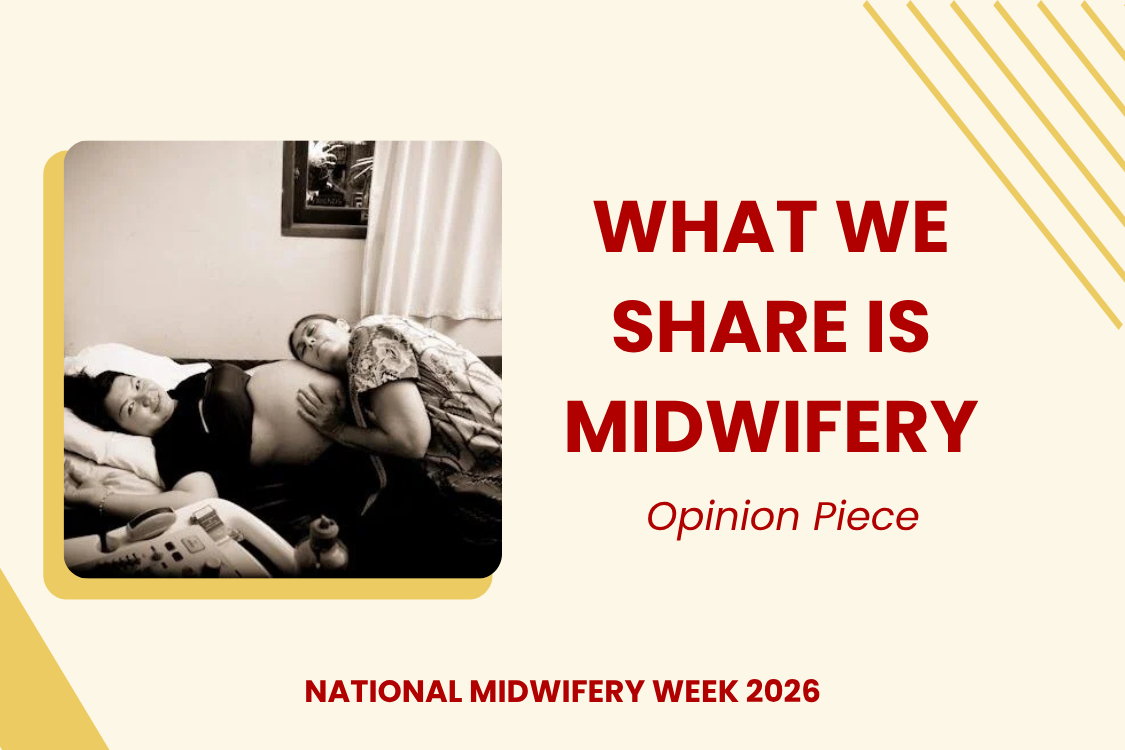
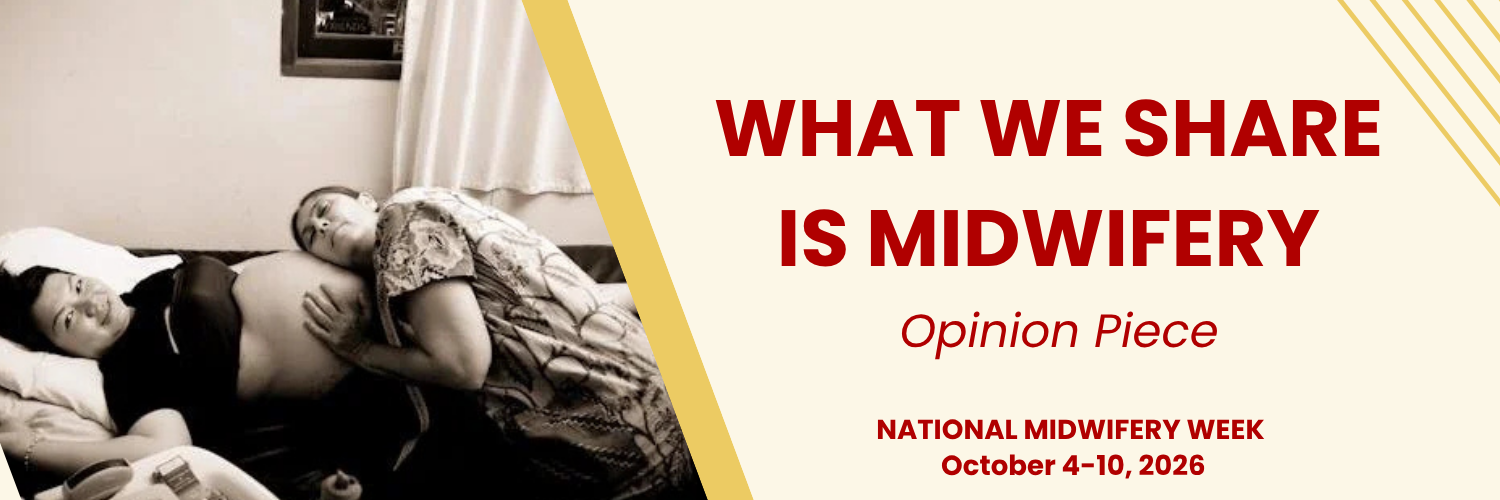
I come before you very humbly because I believe many of us feel this tension every single day in our work. We feel the divide within midwifery. We feel the pressure to choose a side.
This May, NACPM made history. Our first-ever virtual conference, “Centering Midwives, Restoring Care,” brought together midwives, students, birth workers, funders, advocates, and allies from across the country for two transformative days of learning, connection, and community.

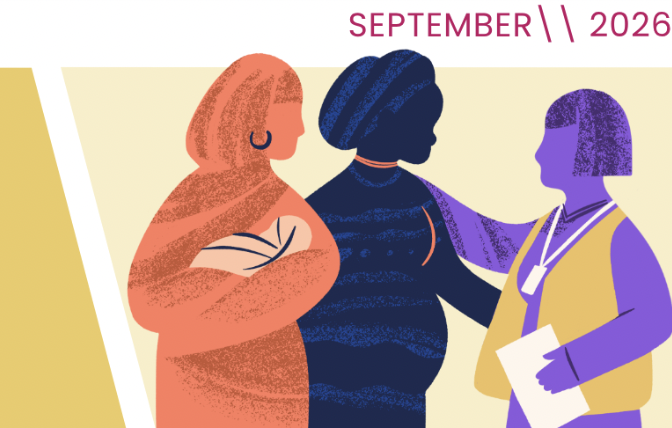
Midwifery stands at the intersection of clinical care, cultural tradition, and community trust. Yet, the global development of the midwifery workforce has too often mirrored inequities found across health systems, where Black, Indigenous, and People of Color (BIPOC) are underrepresented in formal leadership, under-resourced in training pathways, and undervalued despite generations of knowledge and practice.