Advocacy
Building a Policy Environment where CPMs are Fully Integrated into the Healthcare system
NACPM's advocacy focuses on expanding access to Certified Professional Midwives (CPMs) and strengthening community-based perinatal care nationwide. A central priority is achieving CPM licensure in all states and territories, which allows midwives to practice within an accountable, integrated health system and gives families access to coordinated perinatal care. NACPM supports this through technical assistance to state advocates and policymakers —d rafting bill language, producing policy briefs, and facilitating stakeholder collaboration — alongside federal efforts to secure recognition of the CPM credential, expand TRICARE and IHS coverage, and improve reimbursement pathways.
NACPM also strengthens the profession's collective voice by coordinating a national network of chapters, partners, and advocates who share strategies and respond to emerging policy challenges, supported by policy resources, webinars, and legislative toolkits. Through this work, NACPM seeks a policy environment where community midwives are fully integrated into the healthcare system, birthing people have access to safe and culturally responsive care, and the midwifery workforce can grow to meet the nation's needs.
2026 Legislative Policy Efforts
Summary of Advocacy Efforts
Take a look at NACPM’s 2026 legislative and policy advocacy work across the country, highlighting key bills, testimony, letters, and partnerships that advance access to CPMs and community-based perinatal care. We welcome you to use our advocacy resources and handouts. You can also view our work in 2024 and 2025.
Policy Handouts and Resources
See NACPM’s repository of advocacy guides and tools for legislators and advocates.
More Resources
CPM Framework
The CPM Framework articulates the full scope of practice, competencies, and professional expectations that support safe, evidence-based, community-rooted midwifery care.

Professional Core Documents
The CPM Core Documents establish the shared philosophy, values, ethical standards, and practice expectations that guide Certified Professional Midwives in providing community-based care.

Acknowledgement of Harm
NACPM’s Acknowledgement of Harm statement recognizes the historical oppression and criminalization of Traditional and community midwives and commits the profession to accountability, equity, and repair.
2025 State Policy Report
This report provides a national snapshot of laws and regulations affecting Certified Professional Midwives, documenting where licensure, reimbursement, and integration policies stand across the United States.

Collaborative Agreements
This handout outlines NACPM’s position on collaborative agreements and interprofessional relationships, emphasizing that respectful collaboration improves care while mandated supervisory agreements create barriers to midwifery practice and client access.
Issue Briefs
These issue briefs present NACPM’s policy positions on key issues affecting CPMs and community-based perinatal care, providing context, data, and recommendations for policymakers, partners, and advocates.

Clinical Laboratory Improvement Amendments
This handout explains how current federal laboratory regulations under the Clinical Laboratory Improvement Amendments (CLIA) limit certain diagnostic testing performed by CPM and why federal recognition is needed to address these barriers.

Take Action Now!
Read more about advocacy actions we need you to take part in today!
Mapping CPM Policies
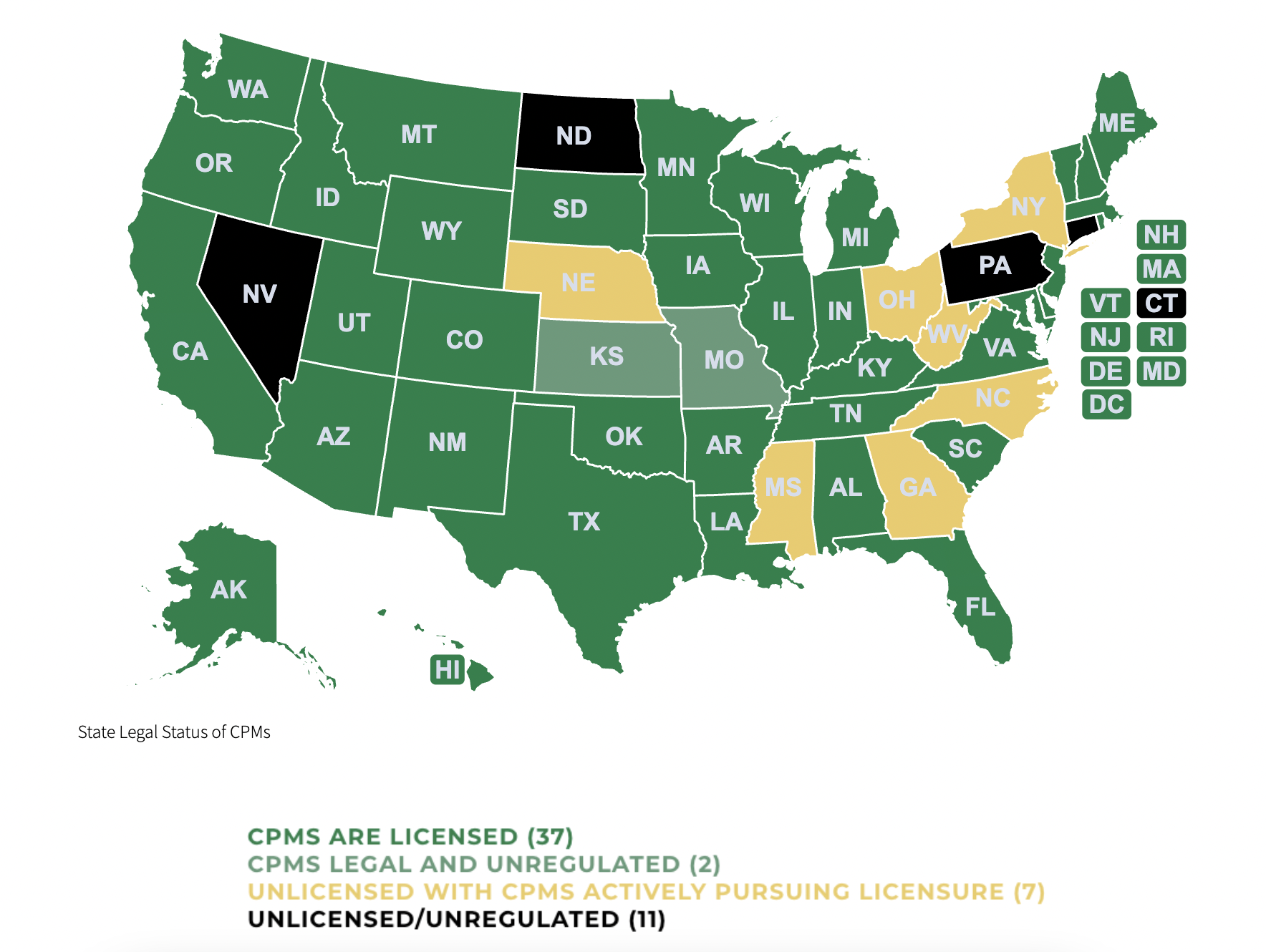
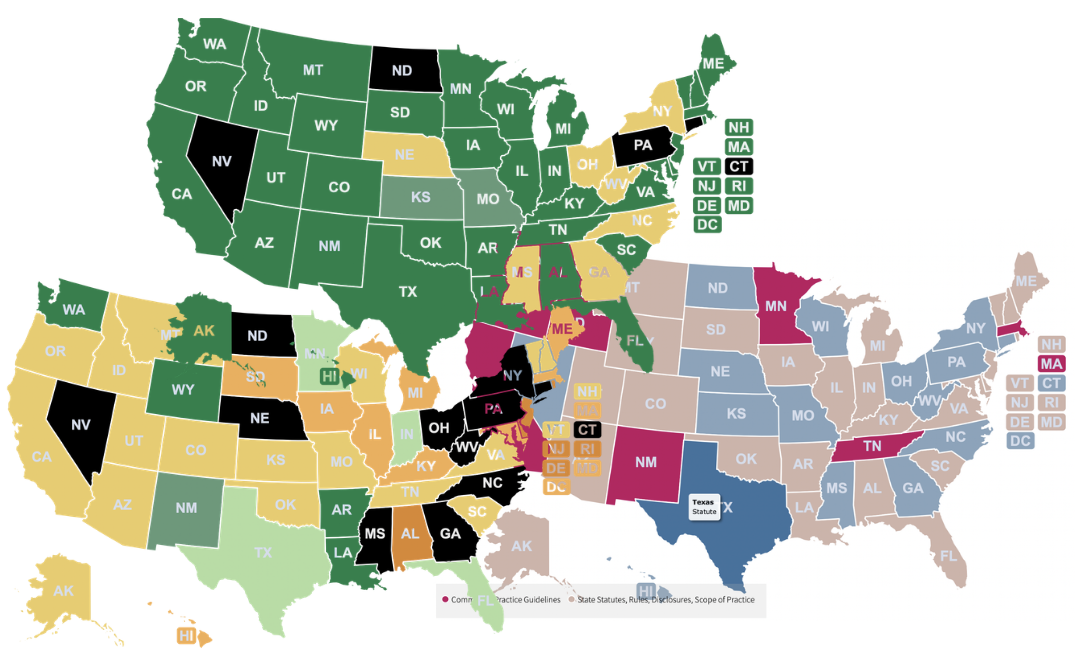
Midwifery policy maps make complex state-by-state laws, regulations, and workforce conditions visible, helping advocates, policymakers, and midwives quickly understand where access to midwifery care exists—and where policy change is needed to expand equitable care.

Federal Policy Priorities
This page outlines NACPM’s federal policy priorities, highlighting key legislative and regulatory efforts to expand access to CPMs strengthen the workforce, and improve perinatal health outcomes.